
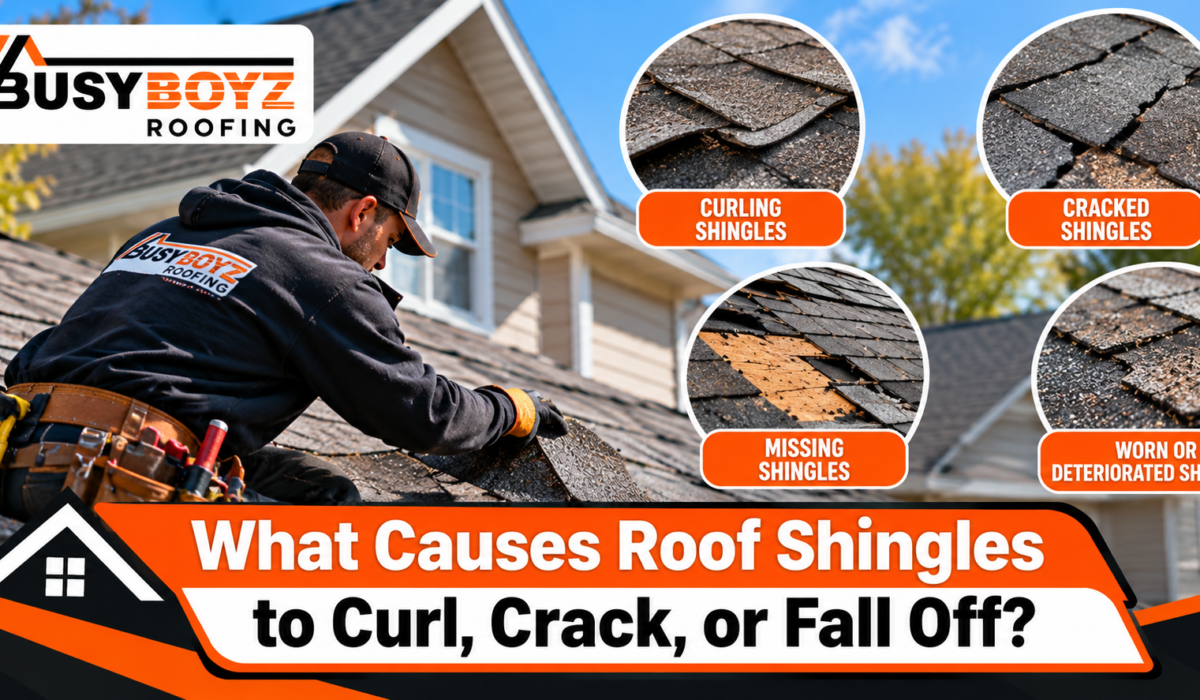
Your roof protects your home from rain, snow, wind, sunlight, and changing temperatures. However, roofing materials gradually experience wear and tear. One of the most common problems homeowners face is damaged asphalt shingles.
You may notice shingles curling at the edges, developing visible cracks, or completely falling off the roof. Although these problems may initially appear minor, they can indicate underlying roofing issues that require attention.
Understanding what causes these problems helps homeowners take action before additional damage occurs.
For homeowners searching for Roofing Contractors Edmonton, recognizing the warning signs of shingle deterioration is an important step toward protecting their properties.
Edmonton’s changing weather conditions can place additional stress on residential roofing systems. Winter freezing temperatures, summer heat, strong winds, and seasonal storms can all affect shingle performance.
Busy Boyz Roofing serves the Edmonton market and is a local roofing business homeowners can contact when exploring roofing concerns and repair options.
In this guide, we explain the common reasons roof shingles curl, crack, or fall off, how to identify potential problems, and when professional roof repair or replacement may be necessary.
1. What Causes Roof Shingles to Curl?
Curling occurs when the edges or corners of asphalt shingles begin turning upward or downward instead of remaining flat against the roof.
This problem can affect individual shingles or larger sections of a roofing system.
Curling shingles should not be ignored because they may become more vulnerable to wind and moisture.
Aging Roofing Materials
Asphalt shingles naturally deteriorate as they age.
Years of exposure to sunlight, temperature changes, moisture, and wind gradually affect their flexibility and protective properties.
As the roofing material becomes less flexible, shingle edges may begin to curl.
If your roof has older shingles with widespread curling, a professional inspection can help determine whether repairs or replacement are appropriate.
Poor Attic Ventilation
Proper attic ventilation helps manage heat and moisture inside the roofing system.
When ventilation is inadequate, excessive heat and moisture may accumulate in the attic.
These conditions can contribute to premature roofing deterioration and affect the performance of asphalt shingles.
Professional roofers can inspect ventilation openings and identify potential airflow problems.
Incorrect Shingle Installation
Installation mistakes can also contribute to curling.
Examples include improper fastening, incorrect shingle placement, and failure to follow manufacturer installation instructions.
Poor installation may affect how shingles sit against the roof and how well they resist weather exposure.
Why it matters: Identifying the reason behind curling helps homeowners address the underlying issue instead of repeatedly repairing the same symptoms.
2. Why Do Roof Shingles Crack?
Cracked shingles develop when roofing materials lose flexibility or experience excessive stress.
Cracks may appear as small surface fractures or larger breaks that expose the underlying roofing layers.
Extreme Temperature Changes
Edmonton experiences significant temperature variations throughout the year.
Roofing materials expand and contract as temperatures change.
Repeated temperature fluctuations can place stress on older or deteriorating shingles, increasing the possibility of cracking.
Hail and Storm Damage
Hailstones can strike roofing surfaces with considerable force.
Depending on hail size, wind conditions, and shingle condition, impacts may cause cracks, bruising, or granule loss.
Strong winds may also lift shingles and place stress on their fastening points.
After a severe storm, homeowners should arrange an inspection if they suspect roofing damage.
Brittle and Aging Shingles
Older asphalt shingles may gradually lose flexibility.
When roofing materials become brittle, they may crack more easily during temperature changes, maintenance work, or severe weather.
Incorrect Installation Techniques
Improper nail placement and excessive fastening pressure can weaken shingles.
Incorrect installation may create stress points that become more noticeable as the roof ages.
Important: Cracked shingles can allow moisture to reach underlying roofing components. Prompt assessment helps reduce the risk of further damage.
3. What Causes Roof Shingles to Fall Off?
Missing shingles are among the most noticeable roofing problems.
When shingles detach, they leave sections of the roofing system more exposed to weather.
Several factors can contribute to this problem.
Strong Winds
Wind can lift shingle edges and place pressure on their adhesive seals and fastening points.
If shingles are already loose, aging, or improperly installed, strong winds may remove them completely.
After a windstorm, check your property for roofing debris from a safe location.
Failed Adhesive Seals
Asphalt shingles commonly use adhesive strips to help seal overlapping sections.
These seals help shingles resist wind uplift.
However, aging, installation conditions, and environmental exposure can affect their performance.
When seals fail, shingles may become more vulnerable to movement and detachment.
Improper Nail Placement
Roofing nails must be positioned correctly according to manufacturer requirements.
Nails placed too high, too low, or incorrectly may fail to hold shingles securely.
This can increase the risk of shingle movement and wind damage.
Poor Roof Installation
An improperly installed roofing system may develop problems earlier than expected.
Common installation concerns include incorrect fastening, unsuitable materials, and failure to follow product specifications.
Why it matters: Missing shingles can expose the underlayment and roof decking to moisture, making timely repairs important.
4. How Weather Conditions Affect Roof Shingles in Edmonton
Weather is one of the major factors affecting residential roofing performance.
Edmonton homeowners experience different seasonal conditions that can gradually weaken roofing materials.
Winter Snow and Freezing Temperatures
Snow accumulation and freezing temperatures place additional demands on roofing systems.
Repeated freezing and thawing can affect existing roofing weaknesses.
Ice dams may also develop when melting snow refreezes near roof edges.
Water trapped behind ice dams can potentially move beneath shingles and contribute to leaks.
Summer Heat and UV Exposure
Direct sunlight exposes asphalt shingles to ultraviolet radiation.
Over time, UV exposure can contribute to material deterioration and reduced flexibility.
Hot attic conditions may further affect roof performance when ventilation is inadequate.
Hailstorms
Hail can damage asphalt shingles through direct impact.
Possible signs include:
- Cracked or fractured shingles.
- Bruised roofing surfaces.
- Granule loss.
- Damaged roof vents.
- Dented metal flashing and gutters.
Not every mark indicates functional roof damage. A professional assessment helps determine whether the roofing system has been affected.
Strong Winds
Strong winds can lift shingle edges, weaken adhesive seals, and remove loose roofing materials.
Regular inspections can help identify existing weaknesses before severe weather makes them worse.
5. How to Identify Damaged Roof Shingles
Recognizing early warning signs can help homeowners arrange repairs before minor problems become more extensive.
However, roof inspections should be handled carefully. Never walk across a roof or climb a ladder without appropriate training and safety equipment.
Look for Curling Edges
Check visible roof sections from the ground.
Shingles with upward or downward curling edges may indicate aging, moisture problems, or installation concerns.
Check for Missing Shingles
Look for exposed sections of roofing, uneven patches, or shingles lying around your property.
Missing shingles should be assessed promptly.
Watch for Granule Loss
Asphalt shingles contain protective granules.
If you notice unusual amounts of granules collecting in gutters or downspouts, your shingles may be experiencing deterioration.
However, some granule loss is normal as shingles age.
Look for Ceiling Stains
Roof damage may allow water to enter the home.
Common warning signs include:
- Brown or yellow ceiling stains.
- Peeling interior paint.
- Damp attic insulation.
- Water dripping during rainfall.
- Musty indoor smells.
These signs may indicate a roofing leak or another moisture problem.
Inspect Gutters and Downspouts
Check for roofing debris, excessive granules, and drainage problems.
These observations can provide useful information about the condition of your roofing system.
6. Can Damaged Roof Shingles Cause Roof Leaks?
Yes. Damaged shingles can increase the risk of roof leaks by allowing water to move beneath the protective roofing surface.
However, not every damaged shingle immediately causes an interior leak.
The result depends on the condition of the underlayment, flashing, roof decking, and surrounding roofing components.
How Water Enters Through Damaged Shingles
When shingles crack, curl, or fall off, rainwater and melting snow may reach areas that should remain protected.
Water can travel beneath roofing materials and enter the attic or interior structure.
Common Signs of Roof Leaks
Homeowners should watch for:
- Water stains on ceilings.
- Wet insulation.
- Damp roof decking.
- Peeling paint.
- Water around roof penetrations.
- Visible mould or musty smells.
If you notice active water intrusion, arrange professional Roof Repair Edmonton as soon as possible.
Why Early Repairs Matter
Ignoring damaged shingles may allow moisture to affect additional roofing components.
Over time, water intrusion can damage insulation, ceilings, walls, and wooden structural materials.
Addressing the source of the problem helps protect the rest of your home.
7. Roof Repair or Roof Shingle Replacement: Which Is Better?
Not every damaged shingle requires a complete roof replacement.
The appropriate solution depends on the extent of damage, roof age, material condition, and the cause of the problem.
When Individual Shingle Repairs May Be Suitable
Targeted repairs may work when:
- Only a few shingles are damaged.
- The surrounding shingles remain in good condition.
- The roof is relatively young.
- The underlying roof structure is sound.
- Damage is limited to a small area.
A professional roofer can assess whether replacing individual shingles will restore adequate protection.
When Roof Shingle Replacement Is Necessary
Larger replacement projects may be appropriate when:
- Curling affects many roofing sections.
- Cracks appear across multiple areas.
- Shingles are missing in several locations.
- The roofing system is nearing the end of its useful life.
- Repeated repairs are no longer practical.
- Underlying roofing materials show significant deterioration.
Factors Professionals Consider
Before recommending Roof Shingle Replacement Edmonton services, contractors generally evaluate:
- The roof’s age.
- The number of damaged shingles.
- The condition of surrounding materials.
- Existing moisture damage.
- Roof ventilation.
- Installation quality.
- Repair costs compared with replacement.
Homeowners should request a clear explanation of the recommended work.
The goal is to choose a solution that provides suitable protection without unnecessary replacement.
8. Why Professional Roofing Contractors Edmonton Are Important
Roofing work requires knowledge of materials, installation methods, weather protection, and safety procedures.
Hiring experienced Roofing Contractors Edmonton helps homeowners understand the actual condition of their roofing system.
Accurate Roof Inspections
Professional roofers can examine shingles, flashing, roof valleys, vents, and other roofing components.
They can identify visible damage and investigate possible underlying problems.
Proper Repair Techniques
Replacing a shingle involves more than placing a new piece of material over a damaged section.
The contractor must consider surrounding shingles, fastening requirements, adhesive seals, and manufacturer instructions.
Suitable Roofing Materials
Professional contractors can explain different shingle products and their features.
They can help homeowners compare product specifications, appearance, durability, and warranty conditions.
Safer Roofing Work
Working at heights involves significant risks.
Professional roofing teams use appropriate safety equipment and procedures to reduce the risk of falls and other injuries.
Better Long-Term Planning
An experienced contractor can help determine whether repairs, maintenance, or replacement offer the most practical solution.
9. How to Prevent Premature Roof Shingle Damage
Although shingles naturally deteriorate over time, proper maintenance can help reduce avoidable roofing problems.
Homeowners should take a proactive approach to roof care.
Schedule Regular Roof Inspections
Arrange periodic inspections to identify curling, cracks, missing shingles, and flashing problems.
An inspection is also useful after severe weather if you suspect damage.
Maintain Proper Attic Ventilation
Make sure attic ventilation is suitable for the roofing system.
Proper airflow helps manage heat and moisture and supports overall roof performance.
Keep Gutters Clean
Blocked gutters can prevent water from draining correctly.
Remove leaves and debris regularly, or arrange professional gutter cleaning when access is unsafe.
Address Small Repairs Promptly
Do not ignore loose shingles, damaged flashing, or minor leaks.
Early repairs may help prevent additional damage.
Choose Quality Roofing Materials
When replacing your roof, compare suitable roofing products based on manufacturer specifications, installation requirements, and warranty coverage.
The cheapest option is not always the most suitable long-term choice.
10. Why Edmonton Homeowners Should Pay Attention to Shingle Damage
Edmonton’s changing seasons can place additional pressure on residential roofing systems.
Cold winters, snow accumulation, freezing temperatures, summer heat, and occasional severe storms all affect roofing materials.
These conditions make regular roof maintenance especially important.
Prepare Your Roof Before Winter
Check for damaged shingles, flashing problems, and drainage concerns before winter weather arrives.
Addressing existing weaknesses can help reduce the risk of moisture problems.
Inspect Your Roof After Severe Storms
Strong winds and hail may damage shingles even when the problem is not immediately visible.
Arrange a professional assessment if you notice missing materials, unusual debris, or suspected impact damage.
Choose Local Roofing Professionals
Homeowners searching for Roof Repair Edmonton services should look for contractors who understand residential roofing systems and local weather conditions.
Busy Boyz Roofing serves the Edmonton market and is a local roofing business homeowners can contact when exploring roofing repair and replacement needs.
11. How to Choose the Right Roofing Contractor
Selecting the right contractor is an important part of maintaining your home’s roofing system.
Homeowners should compare experience, workmanship, safety practices, and project details before making a decision.
Check Roofing Experience
Ask about the contractor’s experience with residential asphalt shingle roofing, repairs, and replacements.
Request examples of completed projects where available.
Verify Insurance and Safety Practices
Ask for proof of appropriate liability insurance and applicable Alberta workers’ compensation coverage.
Confirm that the contractor follows proper workplace safety procedures.
Request a Written Estimate
A detailed estimate should explain:
- Roofing materials.
- Labour charges.
- Removal of old shingles.
- Disposal arrangements.
- Underlayment and flashing work.
- Additional repairs.
- Project timeline.
- Warranty details.
Review Warranty Information
Ask whether the roofing materials include a manufacturer warranty and whether the contractor provides separate workmanship coverage.
Understand the terms and exclusions before signing an agreement.
Avoid Choosing Based Only on Price
A low estimate may leave out important materials or necessary work.
Compare the complete scope of work to understand the value being offered.
Frequently Asked Questions
Q1. What causes roof shingles to curl at the edges?
Roof shingles commonly curl because of aging, prolonged weather exposure, poor attic ventilation, moisture problems, or improper installation. Curling may affect individual shingles or larger roof sections. A professional inspection can identify the underlying cause and determine whether targeted repairs or roof replacement are necessary.
Q2. Why do asphalt shingles crack or break?
Asphalt shingles can crack because of aging, temperature fluctuations, hail impacts, strong winds, and installation problems. Older shingles may become brittle and lose flexibility over time. Cracks can expose underlying roofing materials to moisture, so homeowners should arrange a professional assessment when they notice visible damage.
Q3. When should I replace damaged roof shingles?
You should arrange shingle repairs promptly when you notice missing, cracked, or severely curled shingles. Individual replacement may be suitable for isolated damage, while widespread deterioration may require a larger roofing project. A professional roofer can assess the roof’s age, condition, and extent of damage before recommending replacement.
Q4. How can I prevent roof shingles from falling off?
You can reduce the risk of missing shingles by maintaining your roof, addressing loose materials, ensuring proper attic ventilation, and arranging inspections after severe weather. Correct installation and suitable fastening also matter. Regular maintenance helps identify weaknesses before strong winds or storms cause additional damage.
Q5. Who should I contact for damaged roof shingles in Edmonton?
Homeowners with damaged roof shingles should contact an experienced residential roofing contractor in Edmonton. A professional can inspect the affected areas, identify possible causes, and recommend appropriate repairs or replacement. Choose a contractor who provides written estimates, explains material options, and follows proper safety practices.
Conclusion
Curling, cracking, and missing shingles are common roofing problems that homeowners should never ignore.
These issues can develop because of aging materials, extreme temperatures, strong winds, hail, poor ventilation, and improper installation.
Although some shingle damage may require only minor repairs, widespread deterioration can indicate that a larger roofing project is necessary.
Regular inspections, proper ventilation, quality materials, and timely maintenance can help maintain your roof’s protective performance.
If you notice damaged roof shingles, consider contacting experienced Roofing Contractors Edmonton to understand the condition of your roofing system and explore suitable solutions.
Busy Boyz Roofing serves the Edmonton market and is a local roofing business homeowners can contact to discuss residential roofing concerns.
Call Busy Boyz Roofing today to discuss your roofing needs, arrange an assessment, and take the next step toward protecting your home.